Level Design
Where It Started
The theme of the Global Game Jam for 2025 was "Bubble". Immediately, the team threw away any ideas of gum or soap - those ideas were too forward, too basic.
Next came the idea of speech bubbles. We still had some concerns that another team would do the same thing, but we had to stay confident in our choice. Originally, there were thoughts of typing games or something similar, until someone suggested a Human Resources game: a game where you had to deal with rowdy coworkers. But how would progression work?
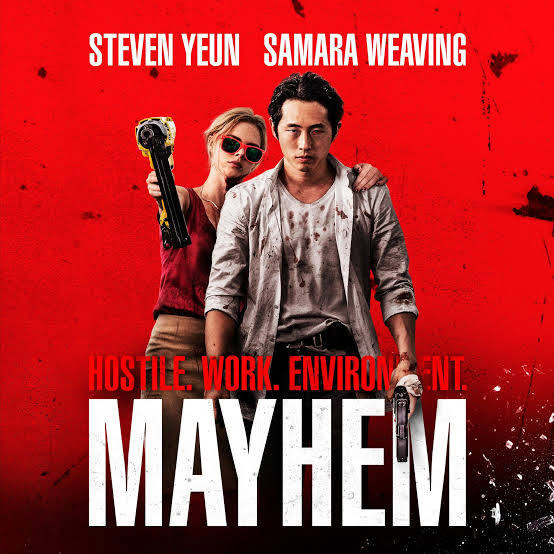
Luckily, there was one movie I had watched recently that sparked an idea: Mayhem (2017). Mayhem is an action horror movie about a man, fired by his law firm, and a woman, whose house was just forclosed on, being trapped in a lawfirm with a virus that increases rage. The protagonists have to fight bosses that increase in power each floor that they go up, each defeated boss producing a keycard that grants them access to the next level.
From here came the idea for levels in Suck It Up!. Each level would be a different floor of an office building. Each floor would have its own tasks and a miniboss that would increasy in difficulty each floor you went up. At the very top: the megaboss and final challenge.
However, for a game jam, level progression is not necessary. Instead, we focused on one initial level and used that idea of level progression to inspire the storyline.
The game jam level was simple and functioned mostly as a way to show off gameplay. It was just a square room with pillars, cubicles, an elevator, and a water jug. Simple enough to put together fast but still easily recognizable as an office, and it was open enough to show off gameplay versus enemies.
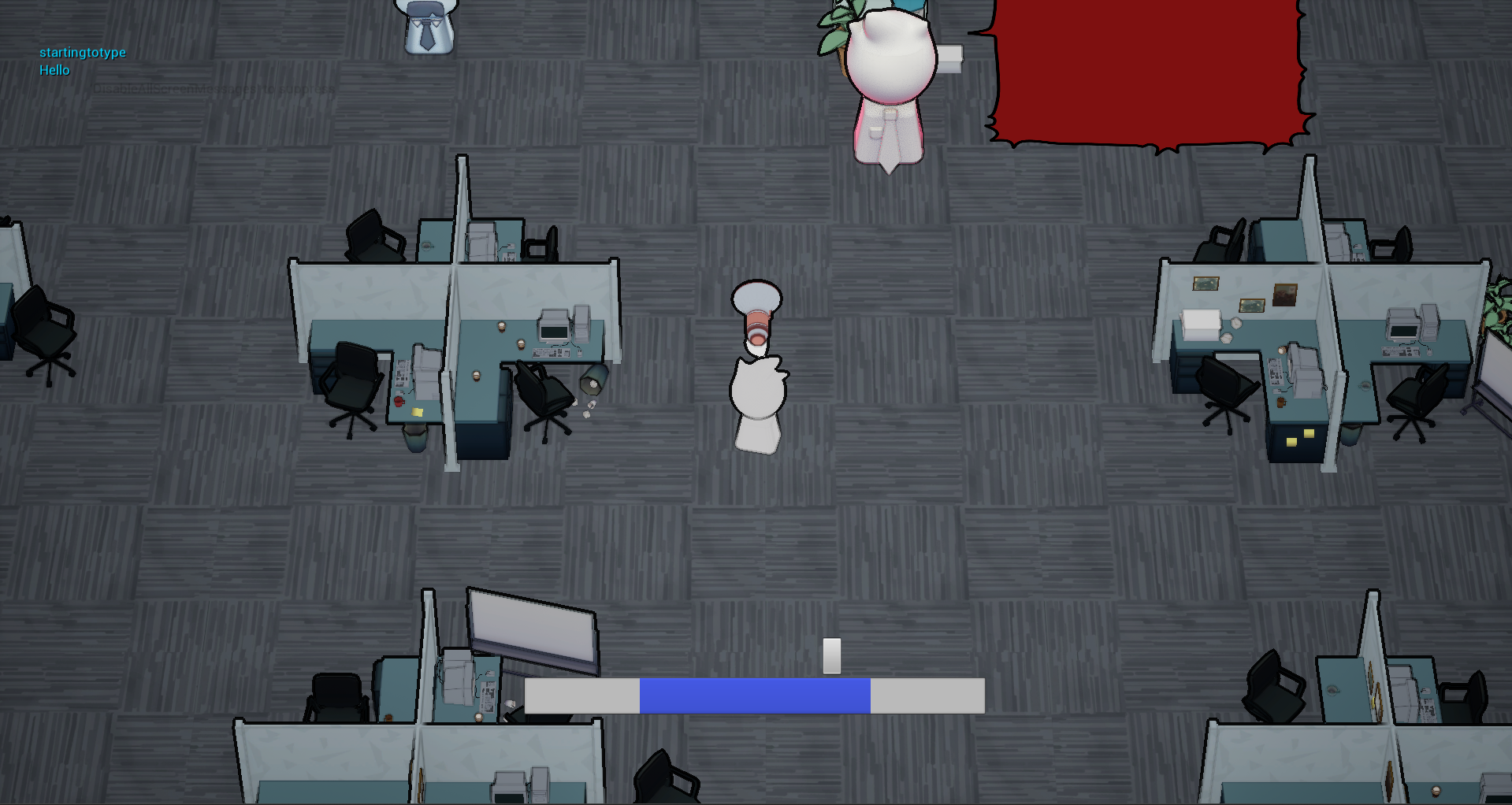
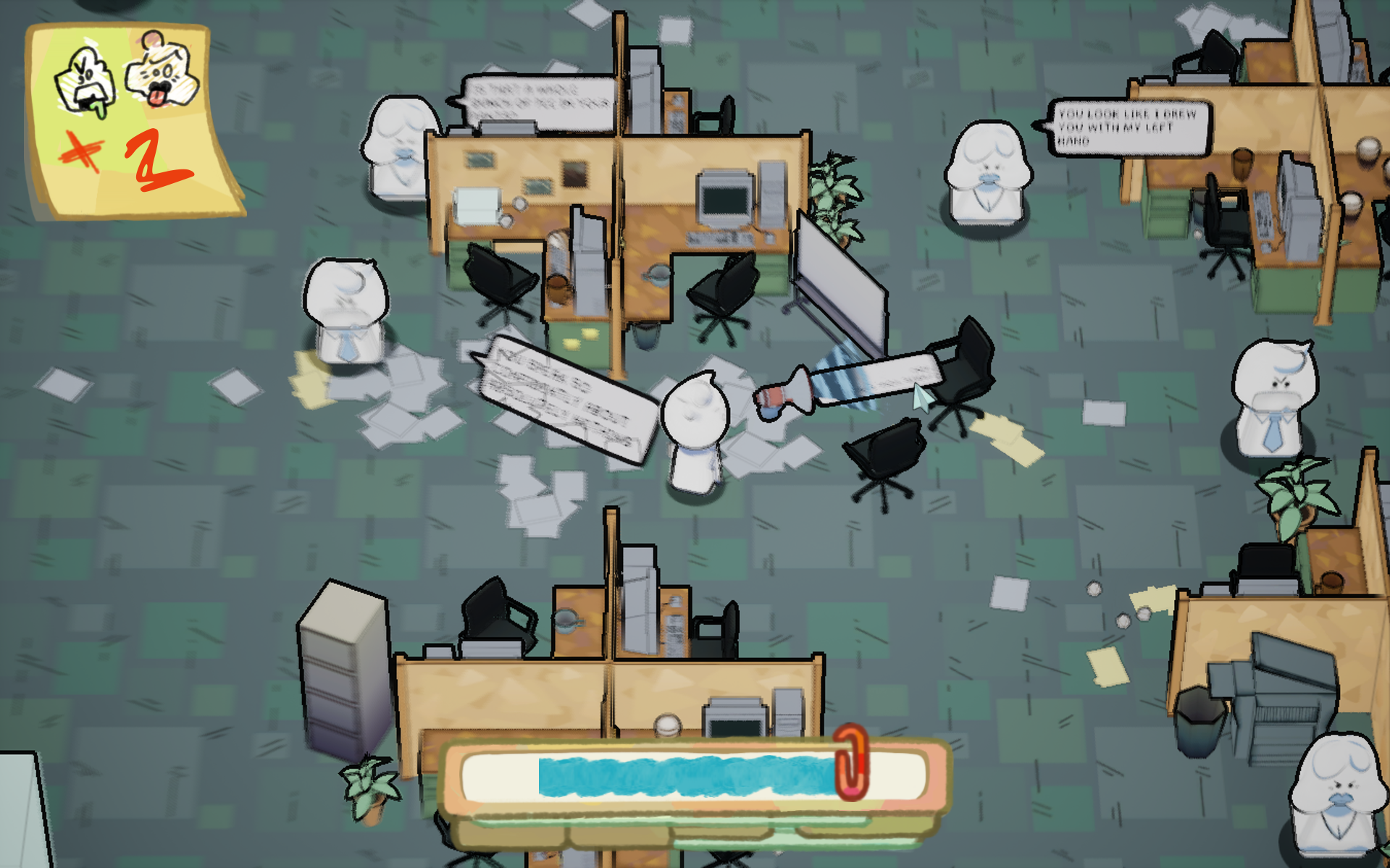
Despite the level being simple, there were still multiple different iterations and layout plans that were tested, as spacing and collision could come up as issues with our projectiles and enemy pathing.
The final level for game jam had the cubicles arranged in the shape of a diamond, with plenty of room between them for the player and enemies to roam.
Building Upon The Foundation (For Six Weeks)
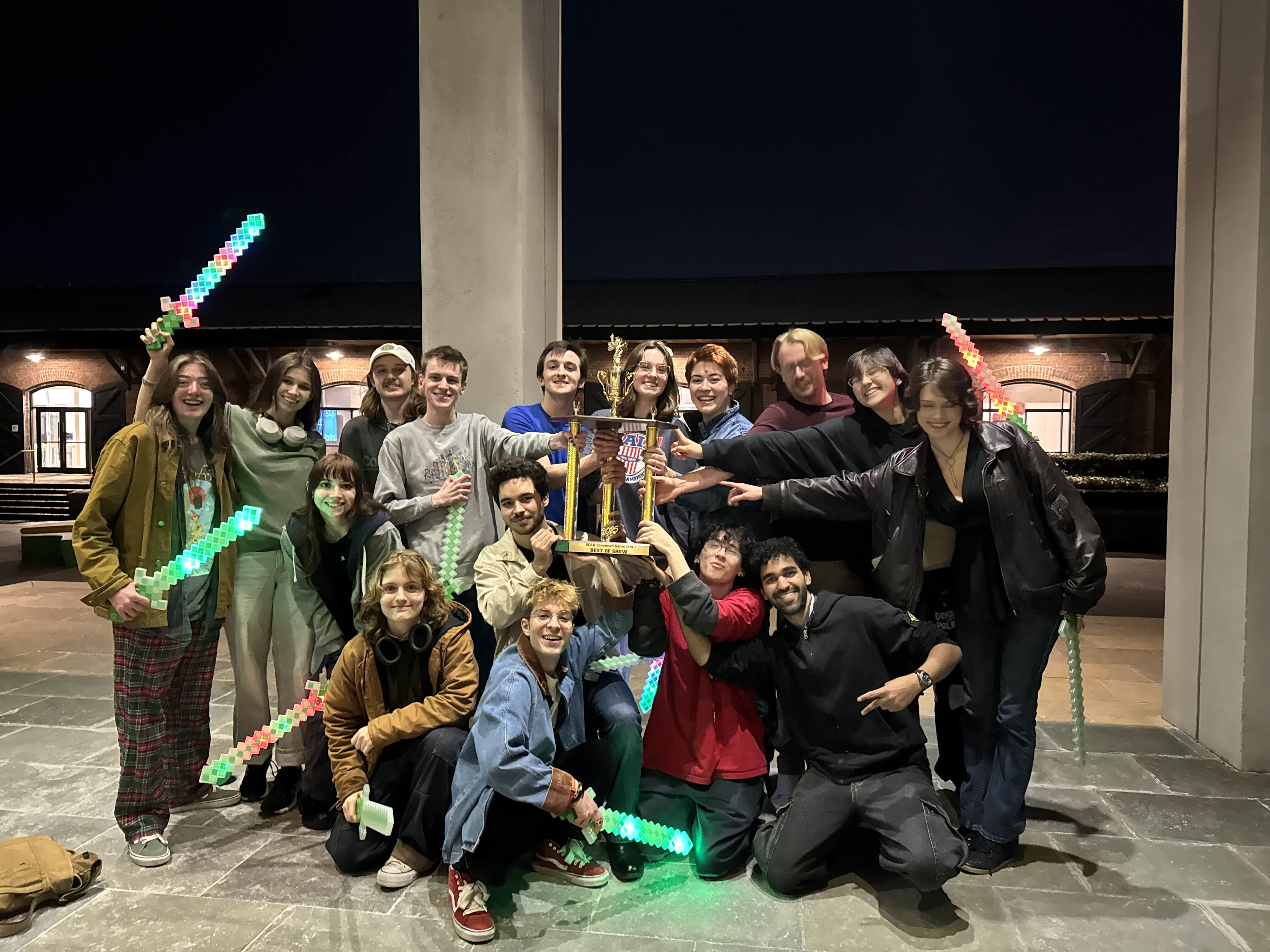
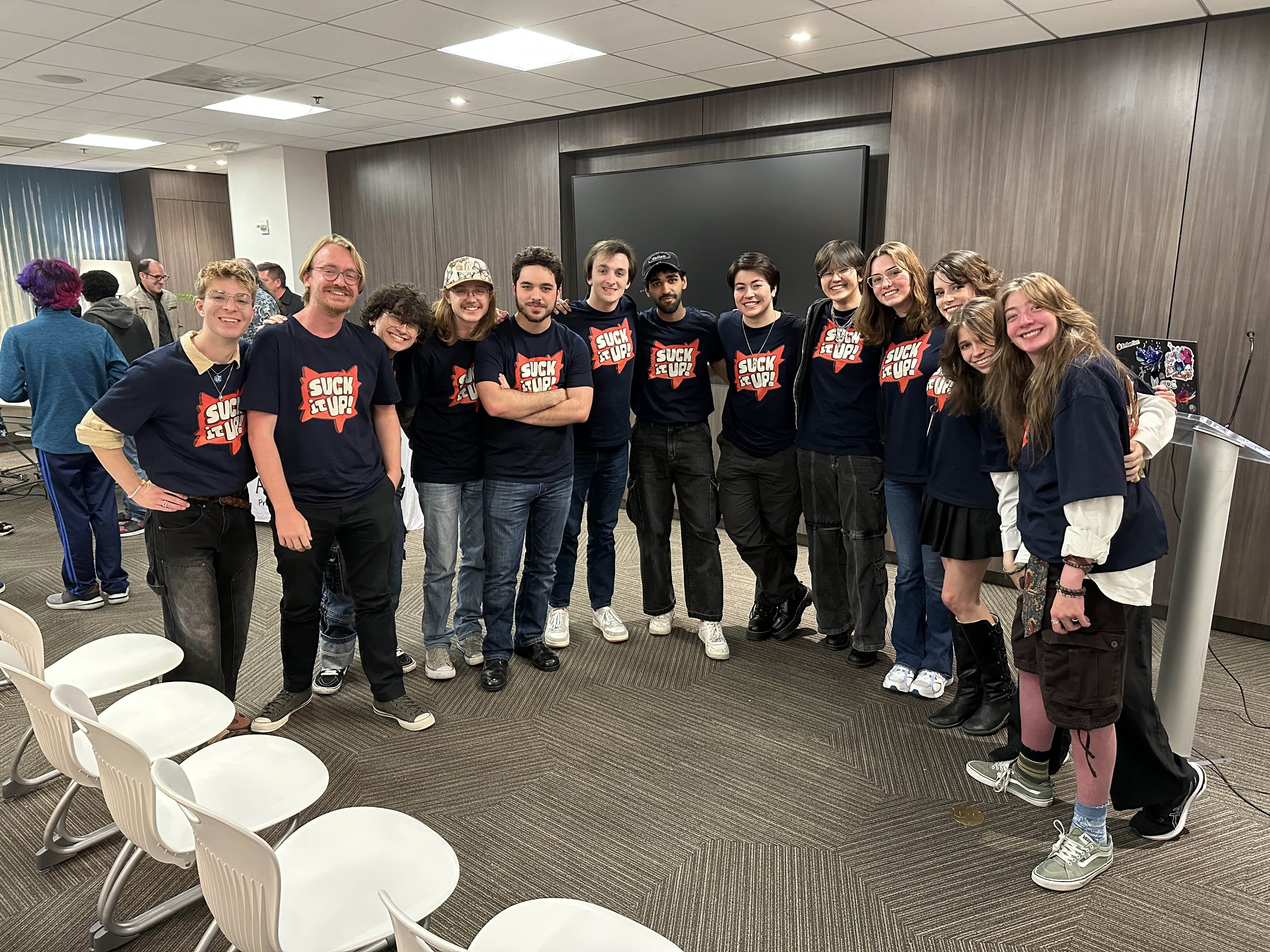
After winning Best in Show at SCAD Savannah's Global Game Jam, there was more work to be done. The next stop was the Best in Georgia competition hosted by the GGDA and the pressure was on. Multiple schools were competing at the competition and we had to continue to work on Suck It Up! alongside our classes.

Back to Work
First things first, we rescoped. We lined out everything we wanted to get done in six weeks, triple-checked it to make sure it was acheivable, and got to work.
As level designer, I was given three areas to work on: The Lobby, The Main Level, and The Boss Level.
The Lobby
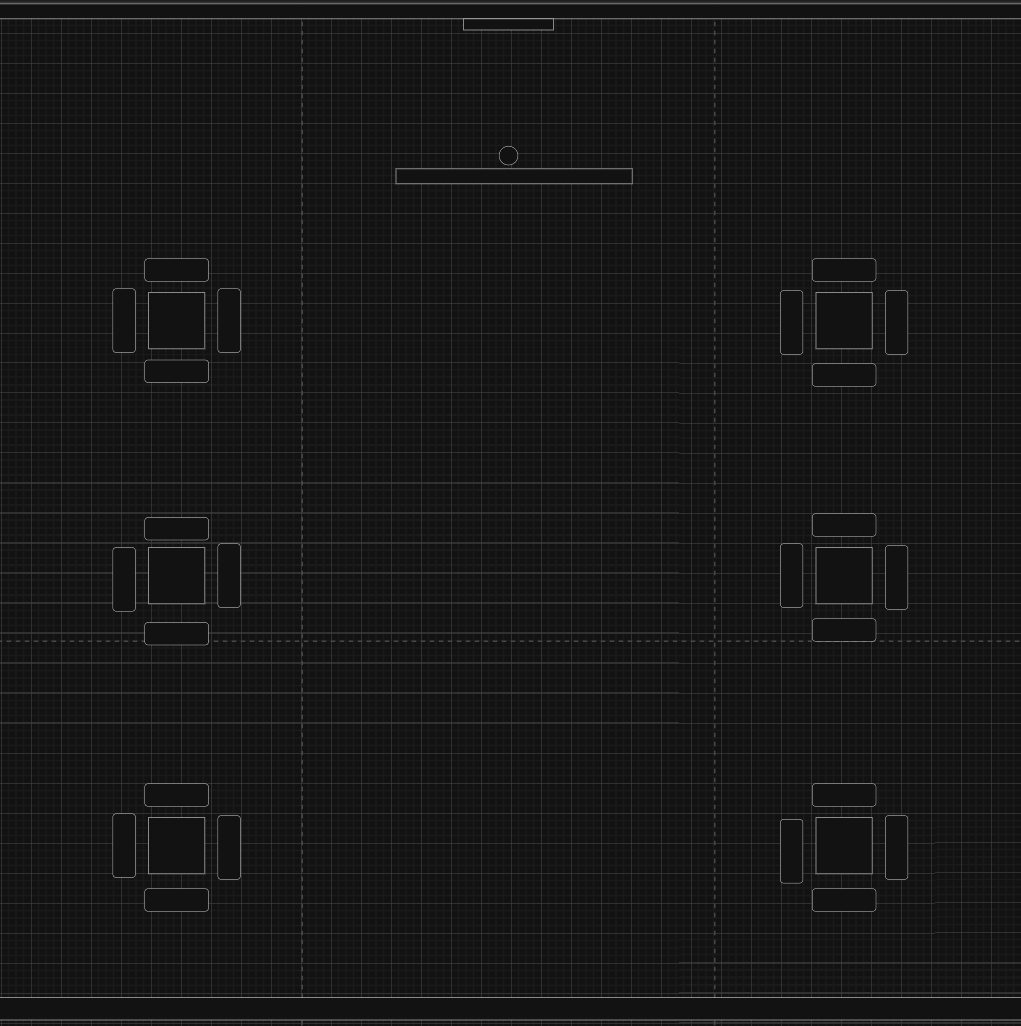
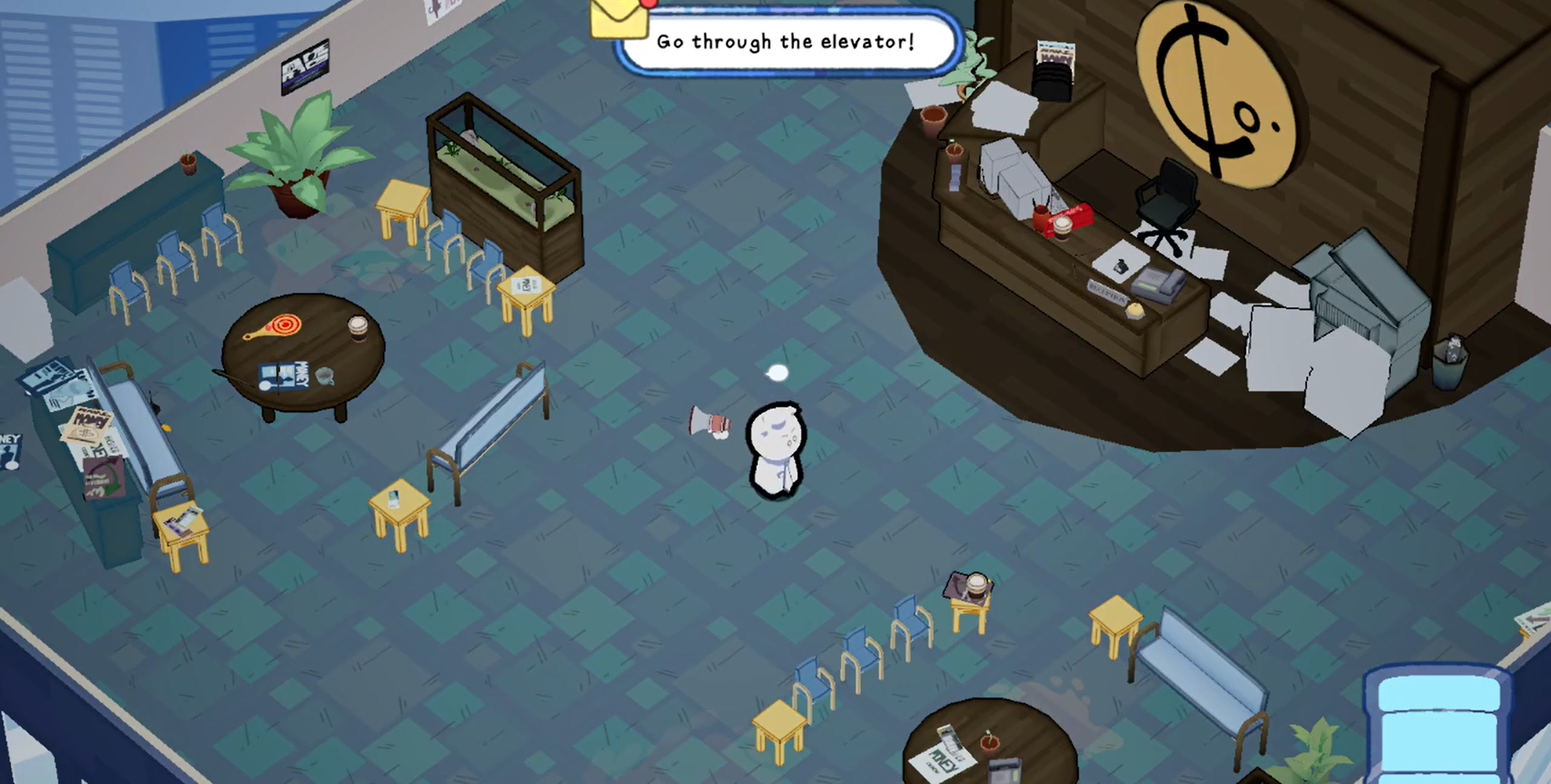
For the first level you enter, the Lobby, I wanted the environment to be very familar, if not very dated. I looked at the layouts of a few different reception areas online and finally settled on this layout, one that I considered a cross between a hotel and a dentist.
The main focus for gameplay here was introducing the player to the simple mechanics, so it needed to have things mostly spread out, with all of the focus on the front desk.
In the initial design, the room was bigger and more similar to that of a hotel lobby. After a couple playtests and some scope changes, the level was scaled down to better fit its purpose.
The Main Level
For the Main Level, I ended up putting together a few different layout ideas I had come up with to make a map that seems continuous; there are no dead-end rooms.
Spacing was important here, especially with the tight office environment. Originally, the walls were high, but after playtesting they were changed to be only slightly taller than the player to allow for a better camera view.
This also led to the change to an isometric camera view, as it better showcased the level and allowed for easier movement.
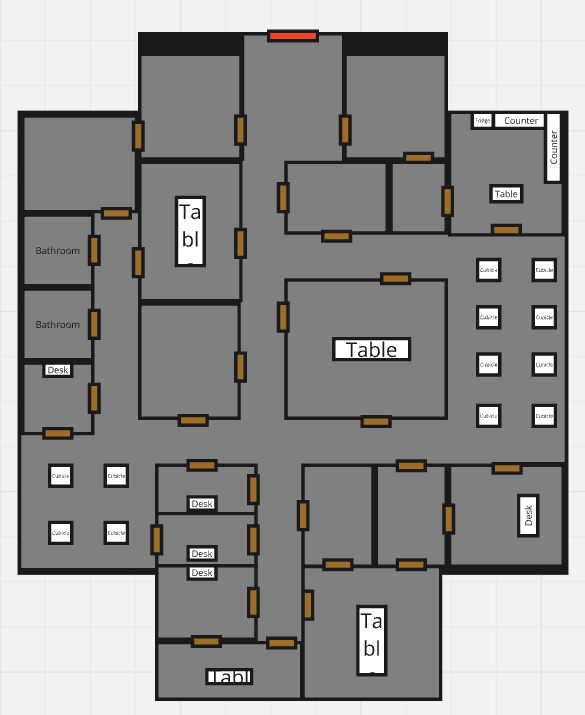
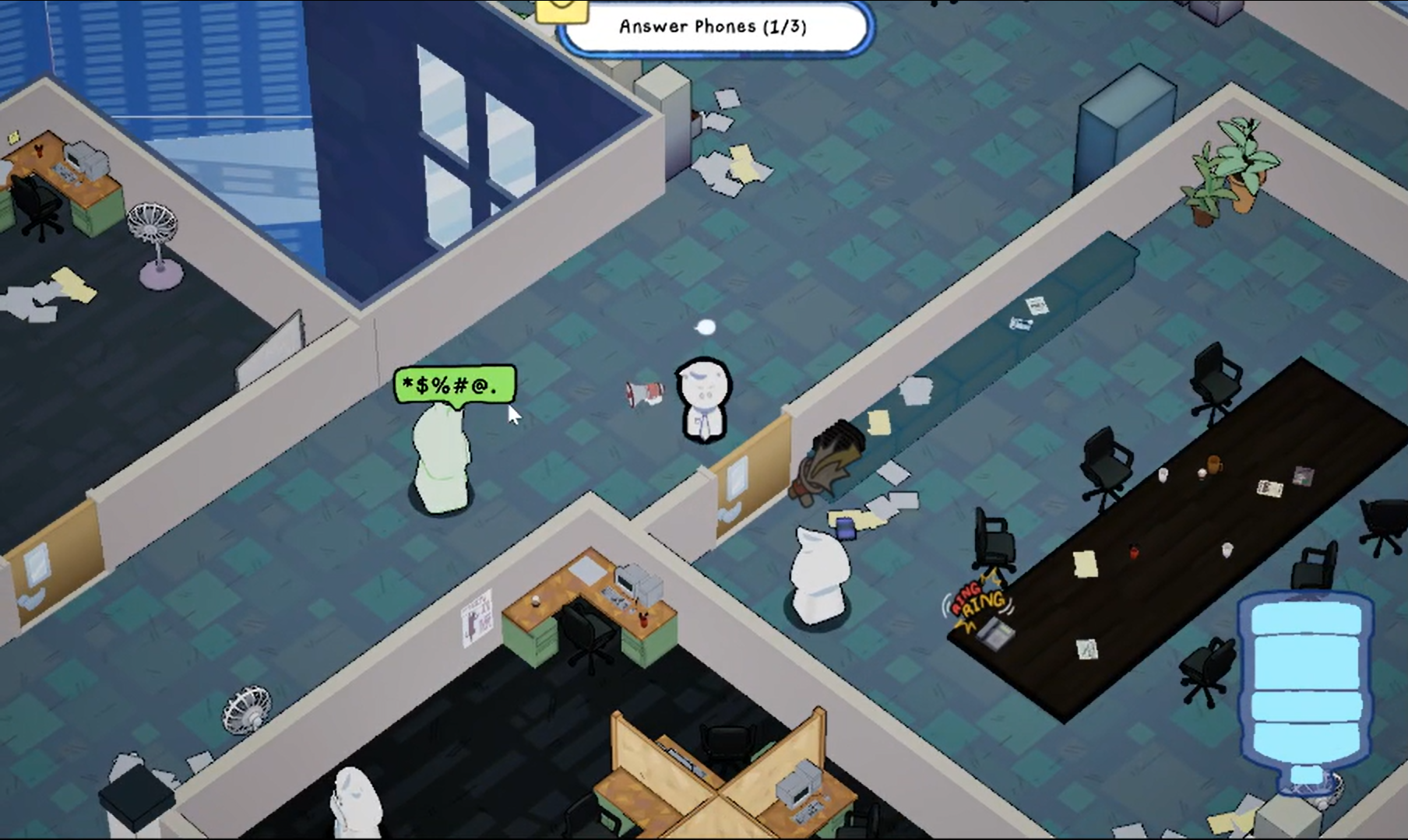
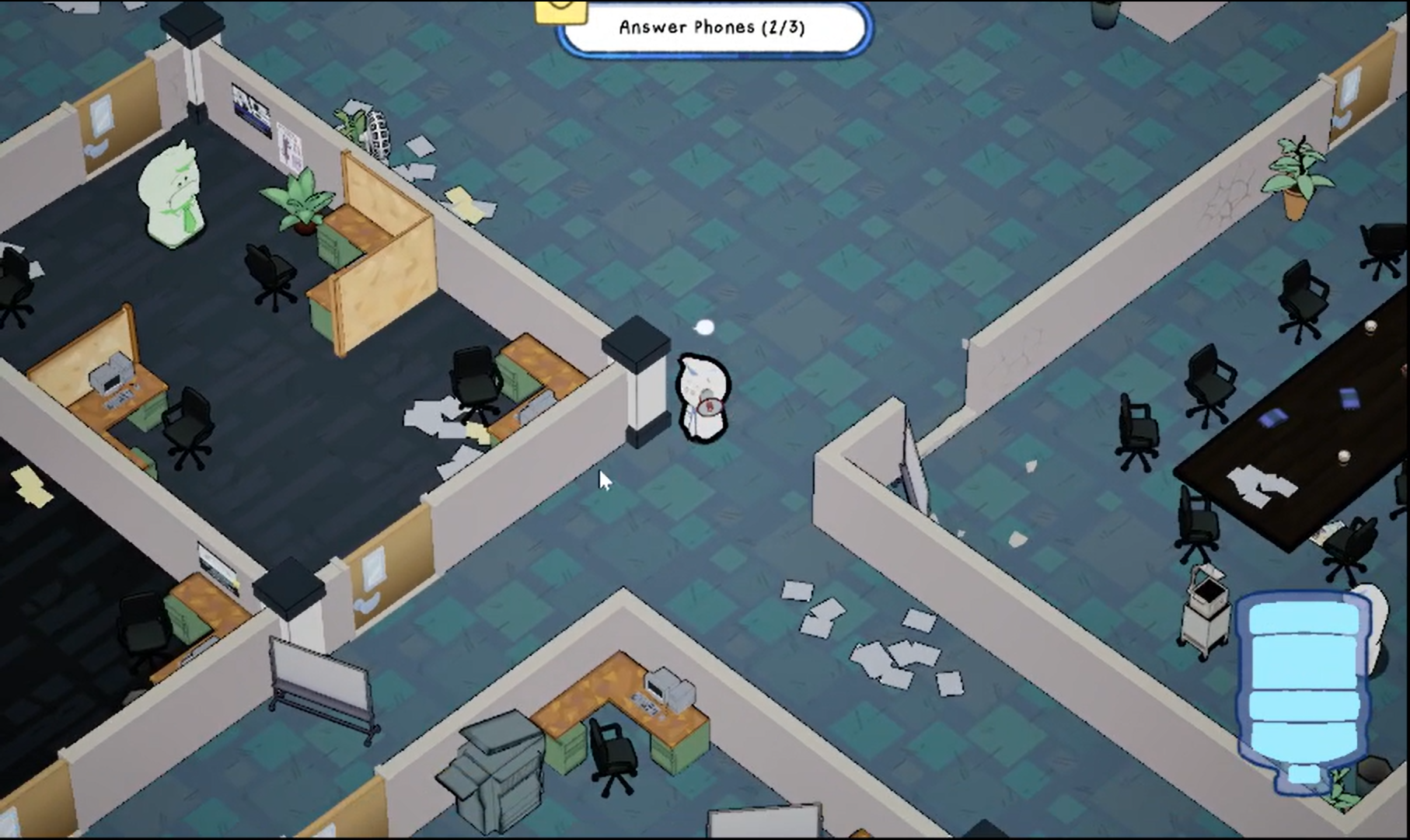
After the map had already been designed and implemented, the game was redesigned to have objectives. These were designed around the shape of the level and spread out to force the player to travel.
Props like whiteboards and filing cabinets were used to break up long hallways and provide cover for the player in more open areas.
The Boss Level
When we finally got to the Boss Level, we were getting close to the end of our six-week improvement period. There was no time to iterate or map out an idea; we needed the level built in engine as fast as possible so that we could move on to set dressing.
I settled on making three separate square level layouts in engine and then rotating these and connecting them to make one continuous path. I adjusted walls, doorways, and cubicles so that everything fit together and then playtested the final battle to make sure it felt cohesive.
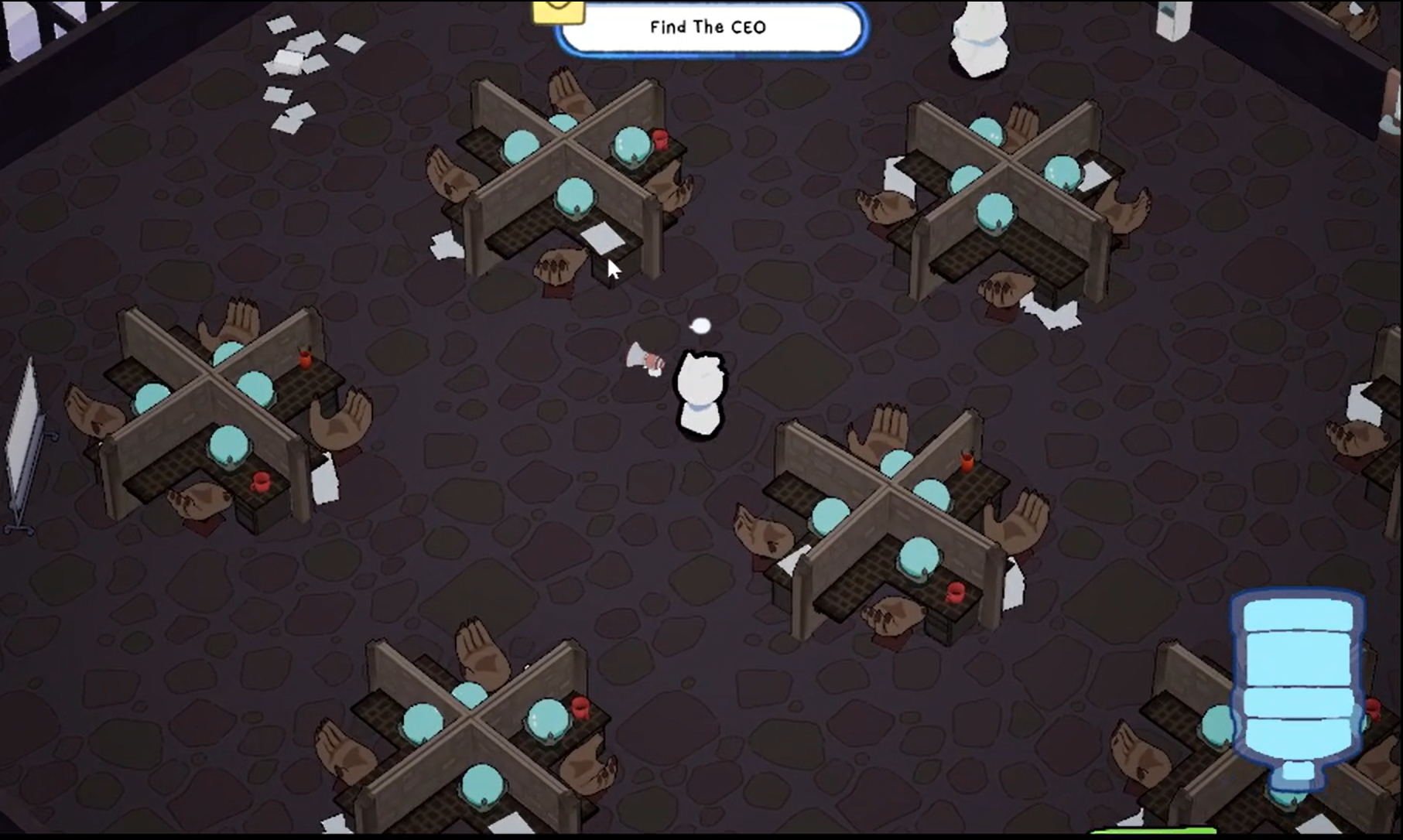
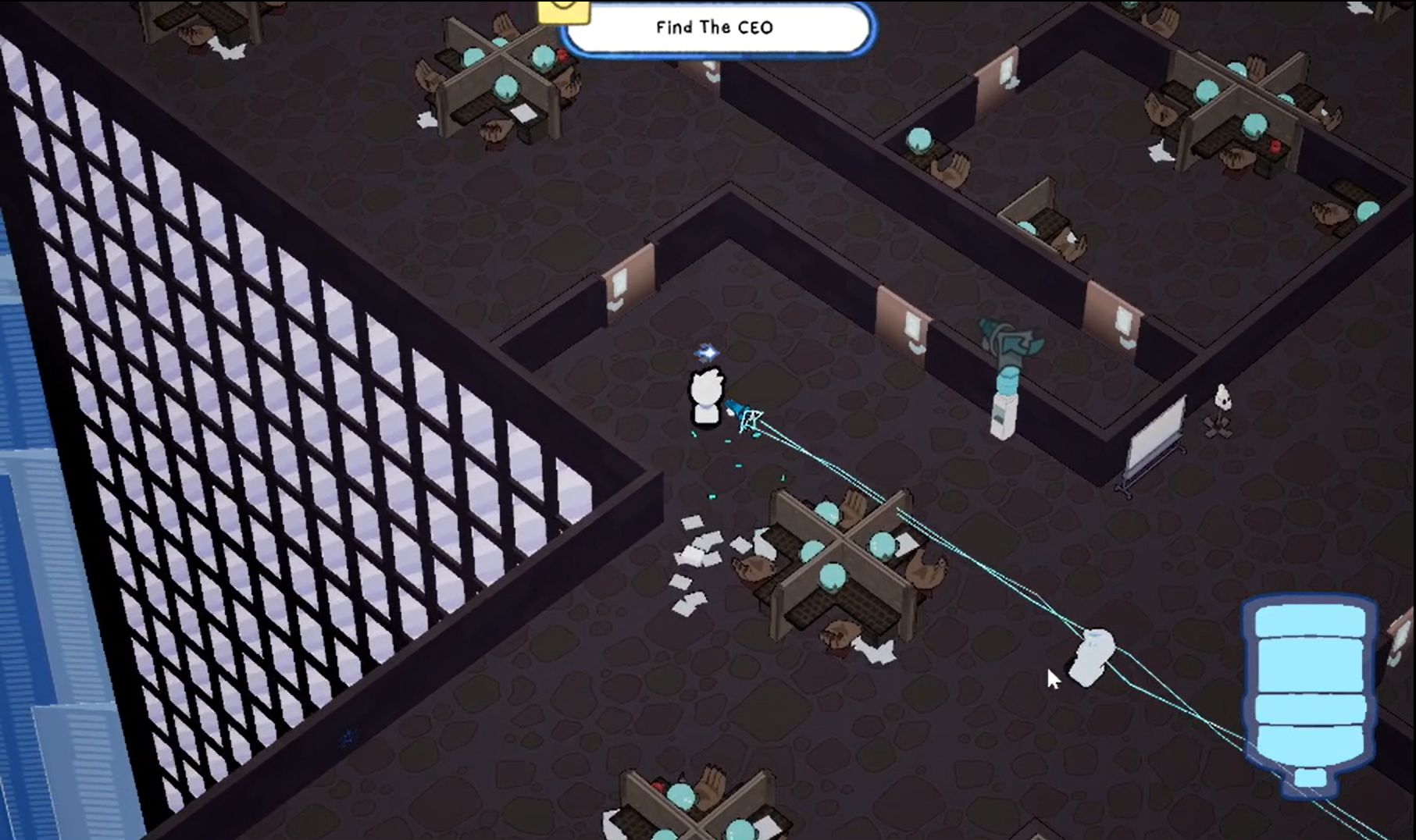
The biggest challenge for the Boss Level was the change in perspective. The camera is moved from isometric to top-down due to how the final boss fight was designed. This made it difficult to follow the same design principles as the Main Level.
However, this was remedied by the main rule I went by when designing these levels: there can be no dead ends. Player movement in Suck It Up! is extremely important and I never wanted anyone playing to feel like they needed to turn around and backtrack to get somewhere.
The Foundation for More...
With the main design principles laid out for levels in Suck It Up! and all of the mechanics settled, there is the opportunity for even more content. With how level progression is designed and how levels are mapped out, there is the possibility for infinite floor iterations and boss fights.
The team is continuing to work on and improve Suck It Up! to bring the game and its concept to full potential.